
NHTSA ID Number: 10174403
Manufacturer Communication Number: TSB 20-2140
Summary
Some 2012-2016 Focus Electric vehicles built on 15-Sep-2011 and through 9-Dec-2015 may exhibit a Stop Safely Now message displayed in the instrument panel cluster (IPC) message center. This may be due to either an internal coolant leak on the upper or lower high voltage battery or corrosion on the lower high voltage battery connector caused by water ingress. If this occurs, the vehicle may not restart once it has been shut off. To resolve the condition, follow the Service Procedure to replace the upper and lower high voltage battery or apply corrosion protection.

This bulletin supersedes 20-2004. Reason for update: Incorrect or Missing Parts
Model:
2012-2016 Focus Electric
Summary
This article supersedes TSB 20-2004 to update the Parts List and Causal Part.
Issue: Some 2012-2016 Focus Electric vehicles built on 15-Sep-2011 and through 9-Dec-2015 may exhibit a Stop Safely Now message displayed in the instrument panel cluster (IPC) message center. This may be due to either an internal coolant leak on the upper or lower high voltage battery or corrosion on the lower high voltage battery connector caused by water ingress. If this occurs, the vehicle may not restart once it has been shut off. To resolve the condition, follow the Service Procedure to replace the upper and lower high voltage battery or apply corrosion protection.
Action: Follow the Service Procedure steps to correct the condition on vehicles that meet all of the following criteria:
- 2012-2016 Focus Electric
- Built on 15-Sep-2011 and through 9-Dec-2015
- Stop Safely Now message in the IPC
NOTE: Part quantity refers to the number of that service part number required, which may be different than the number of individual pieces. Service part numbers contain 1 piece unless otherwise stated. “As Needed” indicates the part is required but the number may vary or is not a whole number; parts can be billed out as non-whole numbers, including less than 1.
Parts
| Description | Quantity | Part Number |
| High Voltage Lower Battery Connector Shield | 1 | CM5Z-9916A315-A |
| Coolant Filter | 1 | CM5Z-8A424-A |
| High Voltage Traction Batteries, Upper And Lower | 1 | CM5Z-10B759-TARM |
| Daubert Nox-Rust® 7703-W | As Needed | Obtain Locally |
Service Procedure
For repairs covered by the New Vehicle Limited Warranty, completion of the procedure outlined in this TSB does not require obtaining Prior Approval or completion of a Cost Cap.
- Inspect both the upper and lower high voltage battery for evidence of internal coolant leakage. Refer to the Internal Coolant Leak Inspection procedure later in this article. Is there evidence of internal coolant leakage in either of the two separate batteries?
(1). Yes – both the upper and lower high voltage batteries must be replaced. Refer to the Battery Replacement Order Process later in this article. Repair is complete.
(2). No – proceed to Step 2.
- Use OASIS and review the warranty history. Has Field Service Action (FSA) 16B02 been completed?
(1). Yes – this article does not apply. Refer to WSM, Section 414-03A for further diagnostics.
(2). No – proceed to Step 3.
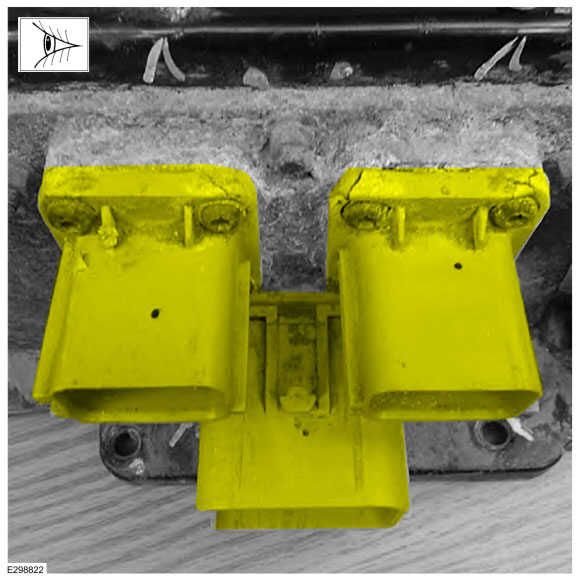
- Remove the high voltage lower battery. Refer to WSM, Section 414-03A. Inspect the 3 connectors on the left side of the high voltage lower battery for cracking. Are cracks present on any of the 3 connector bodies? (Figures 1-2)
(1). Yes – replace the upper and lower high voltage batteries. Refer to the Battery Replacement Order Process later in this article.
(2). No – proceed to Step 4.
Figure 1
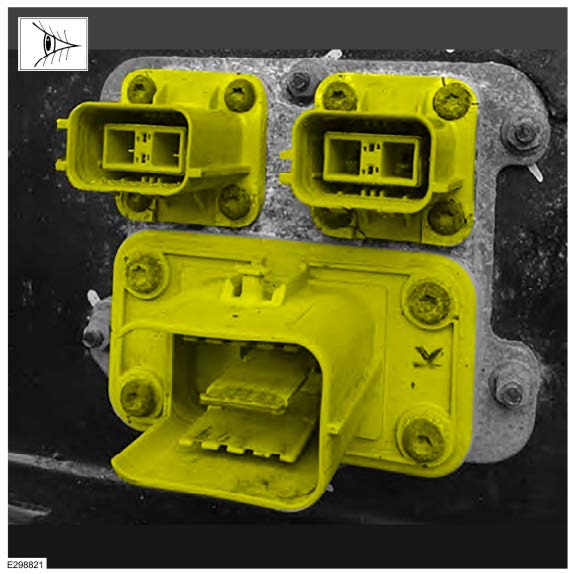
Figure 2
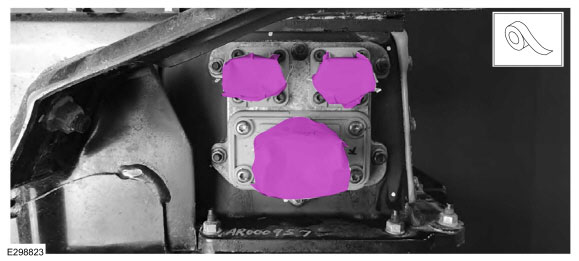
- Apply chloroplast tape or equivalent to the connector faces to protect the terminals and keep the connector housing clean. (Figure 3)
Figure 3
- Using a brass wire brush, thoroughly clean the areas surrounding the 3 high voltage connectors to aluminum plate mating surfaces. Using compressed air, clean the loose debris from the connectors. (Figures 4-5)
Figure 4
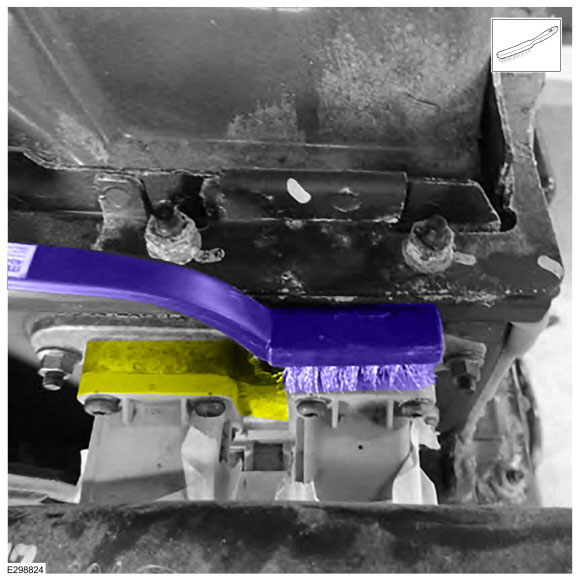
Figure 5
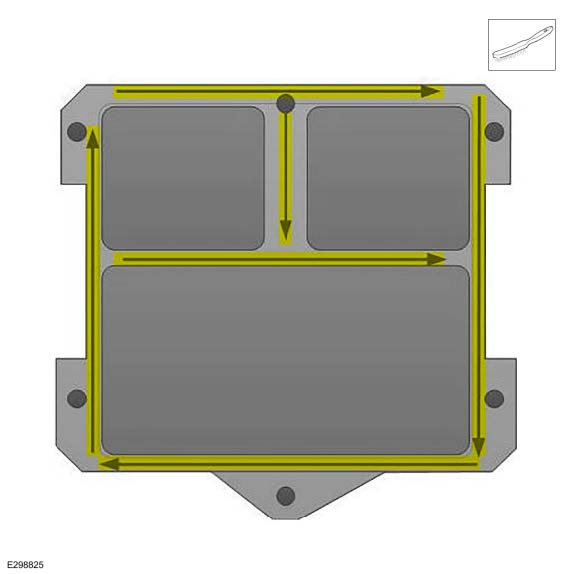
- Insert a 0.076 mm (0.003 in.) feeler gauge between the aluminum plate and the top and sides of the two smaller high voltage connectors and the sides of the large high voltage connector. Does the feeler gauge fit between the aluminum plate and the connectors at one or more of the locations indicated in Figures 6-7?
(1). Yes – replace the upper and lower high voltage batteries. Refer to the Battery Replacement Order Process later in this article.
(2). No – proceed to Step 7.
Figure 6
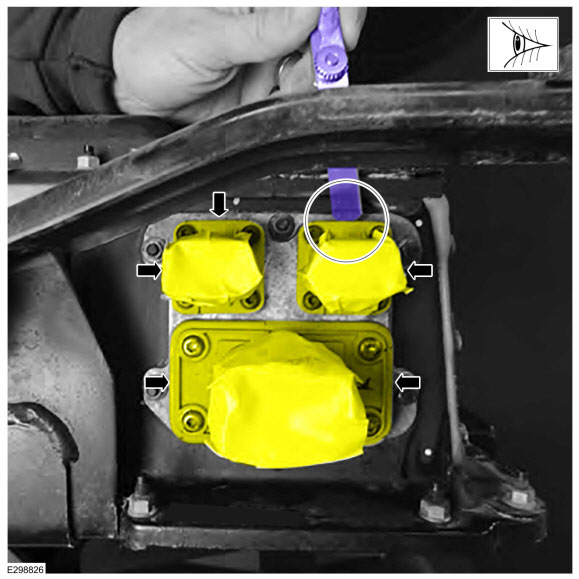
Figure 7
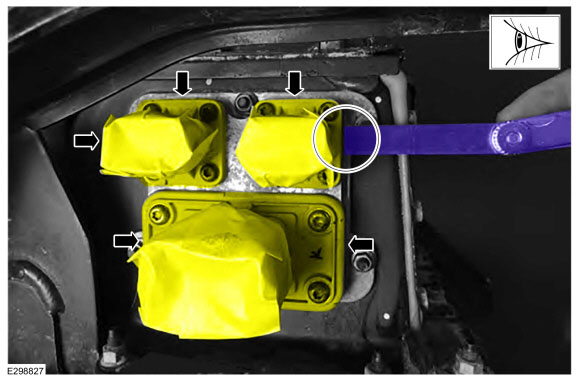
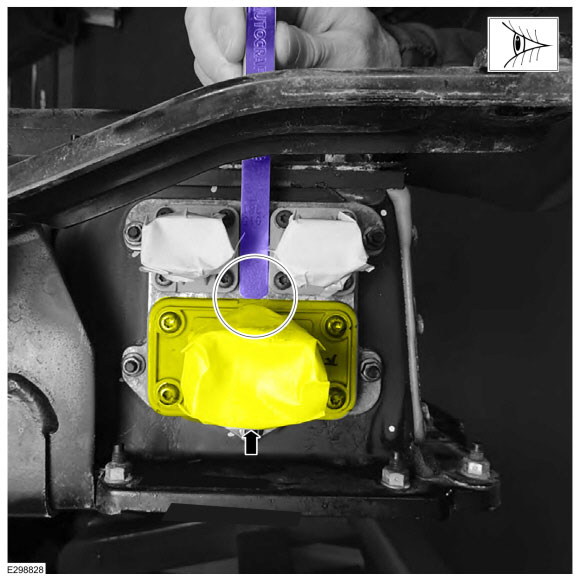
- Insert a 0.380 mm (0.015 in.) feeler gauge between the aluminum plate and the top and bottom of the large high voltage connector. Does the feeler gauge fit between the aluminum plate and the large high voltage connector? (Figure 8)
(1). Yes – replace the upper and lower high voltage batteries. Refer to the Battery Replacement Order Process later in this article.
(2). No – proceed to the Apply Corrosion Protection procedure later in this article.
Figure 8
NOTE: The Battery Replacement Order process must only be completed if directed in Steps 1, 3, 6, or 7.
Internal Coolant Leak Inspection
- Turn the ignition OFF. Check for low coolant levels in the coolant reservoir. This may be a sign of leaks in the coolant system including within the high voltage battery.
- Depower the high voltage battery. Refer to WSM, Section 414-03A.
- Remove the rubber grommet plugs from the bottom of the upper high voltage battery (Figure 9). Inspect the upper high voltage battery and rubber grommet plugs for evidence of internal coolant leakage. The plugs and battery case should be dry.
Figure 9
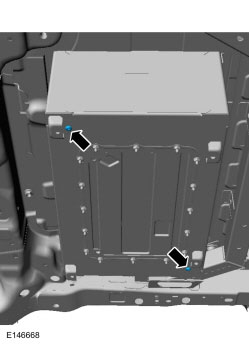
- Remove the rubber grommet plug from the bottom of the lower high voltage battery (Figure 10). Inspect the lower high voltage battery and rubber grommet plugs for evidence of internal coolant leakage. The plugs and battery case should be dry.
Figure 10
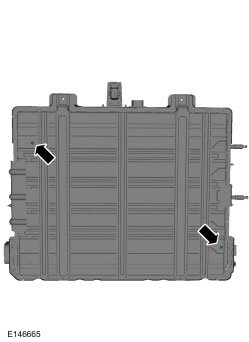
NOTE: Inspect both the upper and lower high voltage batteries for coolant leaks. These are two separate, sealed units in the vehicle each with two rubber grommet plugs which should be checked for coolant leak. If necessary, raise one side of the vehicle to allow the coolant to flow to one side of the battery to improve the chances of detecting a coolant leak.
Battery Replacement Order Process (If Internal Coolant Leak Or Connector Damage Is Present)
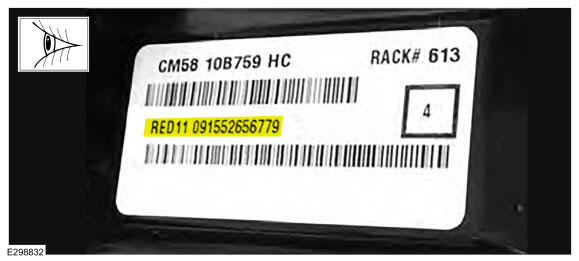
- Locate and record the battery serial number on either the upper or lower high voltage battery. (Figures 11)
Figure 11
- Connect the appropriate Ford diagnostic scan tool. Proceed to Toolbox > Powertrain > Service Functions > BECM Cell Capacity. Take a screenshot of this data.
- Order a replacement battery. For USA dealerships, refer to Dealer Communication 07506. For Canadian dealerships, refer to SVB-2019-30N.
- Install the replacement upper and lower high voltage batteries into the vehicle. Refer to WSM, Section 414-03A.
(1). Install the high voltage lower battery connector shield. Refer to the High Voltage Lower Battery Connector Shield Installation procedure in this article.
(2). Repair is complete.
Apply Corrosion Protection
Figure 12
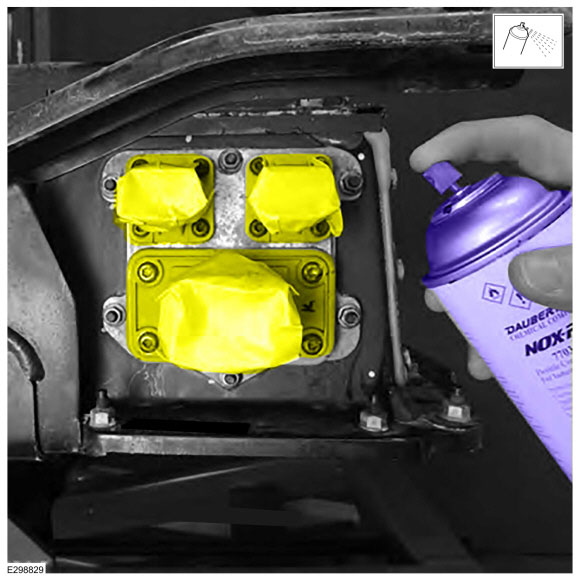
- Spray Daubert NOX-RUST® 7703-W generously around the perimeter of all 3 connectors to the aluminum plate mating surfaces. (Figure 12)
- Allow the corrosion protection to penetrate for a minimum of 10 minutes.
- Apply a second coat of corrosion protection.
- Install the lower high voltage battery into the vehicle. Refer to WSM, Section 414-03A.
- Proceed to the High Voltage Lower Battery Connector Shield Installation procedure later in this article.
High Voltage Lower Battery Connector Shield Installation
- Remove the left rear wheel. Refer to WSM, Section 204-04A.
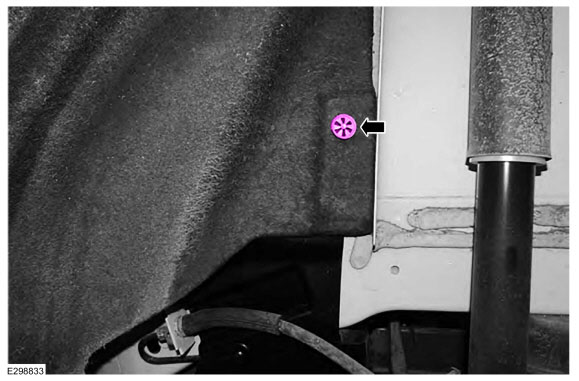
- Remove the left rear fender well splash shield spring clip washer. (Figure 13)
Figure 13
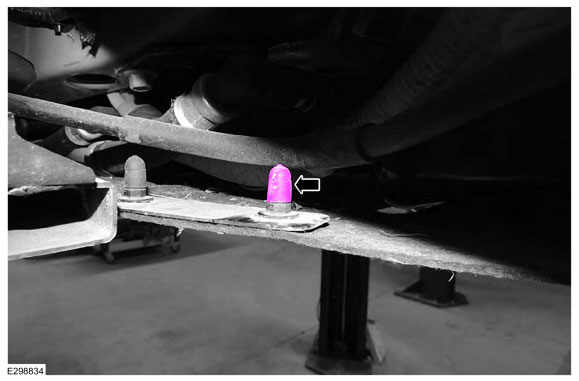
- Remove the bolt thread rubber cap. (Figure 14)
Figure 14
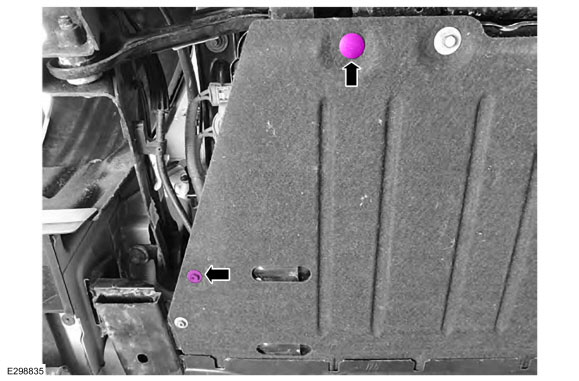
- Remove the high voltage battery shield bolt and push pin. (Figure 15)
Figure 15
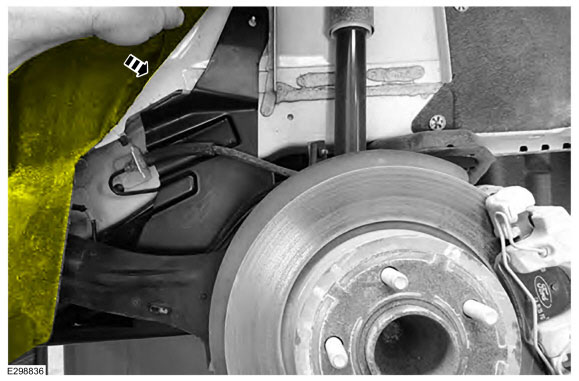
- Position the top of the high voltage battery connector shield behind the left rear brake hose and trailing arm. (Figure 16)
Figure 16
- Install the left rear fender well splash shield spring clip washer. (Figure 13)
- Install the high voltage battery shield bolt and push pin. (Figures 17-18)
Figure 17
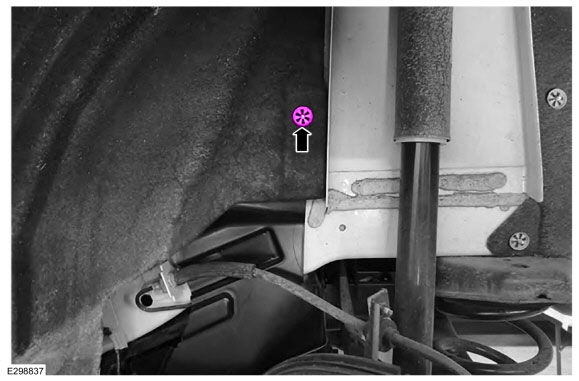
Figure 18
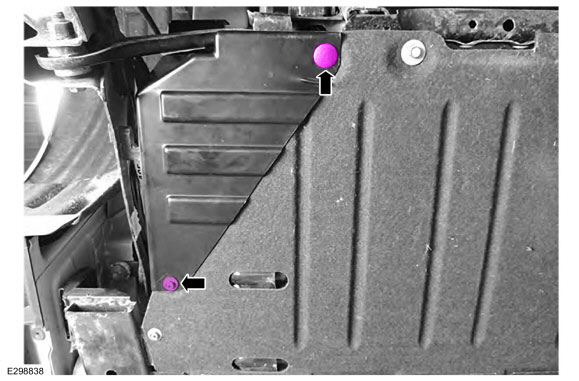
- Tighten the high voltage battery shield bolt to 27 Nm (20 lb-ft)
- Install the bolt thread rubber cap. (Figure 14)
- Install the left rear wheel. Refer to WSM, Section 204-04A.
NOTE: The bolt thread rubber cap must be reinstalled. Failure to install the cap may result in parking brake cable damage.
10 Affected Products
Vehicles
1 Associated Document
Manufacturer Communications
20-2140
23 April 2020
MC-10174403-0001.pdf 1510.114KB
NHTSA ID Number: 10170911
Manufacturer Communication Number: TSB 20-2004
Summary
Some 2012-2018 Focus Electric vehicles may exhibit a Stop Safely Now message displayed in the instrument panel cluster (IPC) message center. This may be due to either an internal coolant leak on the upper or lower high voltage battery or corrosion on the lower high voltage battery connector caused by water ingress. If this occurs, the vehicle may not restart once it has been shut off. To resolve the condition, follow the Service Procedure to replace the upper and lower high voltage battery or apply corrosive protection.
1 Associated Document
Manufacturer Communications
20-2004
14 January 2020
MC-10170911-0001.pdf 2089.231KB
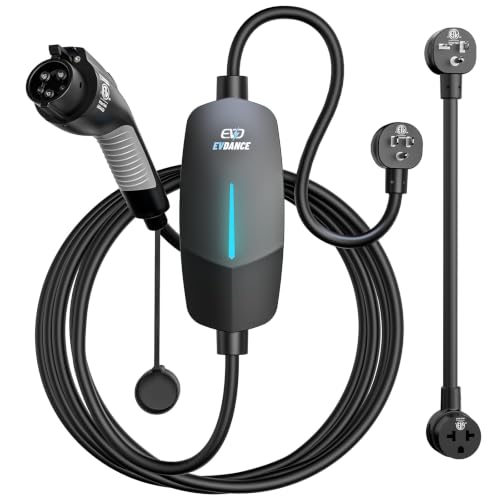
- Flex Level 1 EV Charger - The EVDANCE Level 1 electric car charger is compatible with J1772 electric vehicles and plug-in hybrid vehicles (North American Standard). *Tesla requires a SAE J1772 adapter.
- Convenient to Use - This charger has both NEMA 6-20 plug for 16A 240V charging (3.68kW, 10-12 mi/h) and a NEMA 6-20 to 5-15 plug adapter for 12A 120V charging (1.44kW, 2-5 mi/h). The included bag makes it easier to carry on the go. It also has a 25ft cable length, you can use it flexibly from anywhere in the garage or driveway.
- Check Your Outlet Type -This charger works with standard 120V NEMA 5-15/5-20 outlets (2-5 mph charging speed) and 240V NEMA 6-20 outlets (10-12 mph) . It's not compatible with NEMA 6-15/10-30/14-30/14-50/6-50 outlets – you'll need a NEMA 14-50/14-30/10-30/6-50 to 6-20 adapter (sold separately) to connect.
- Compatible EV Models -This EV charger works with most major electric vehicles, including Ford, Chevrolet, Hyundai, Audi, Nissan Ariya, Rivian R1S, Kia, and others. However, it's not compatible with Mini Cooper Electric Hardtop,Toyota Prus Prime/Z4X/RAV4Prime, Porsche Taycan Base/4S/Turbo/Turbo S or Tesla models (Tesla requires a J1772 to Tesla Adapter, sold separately). For a full list of compatible models, check out the Full Compatibility List on our product page.
- Indication Displays - LED display that can tell you the status as well as indicate errors while charging your electric vehicle.
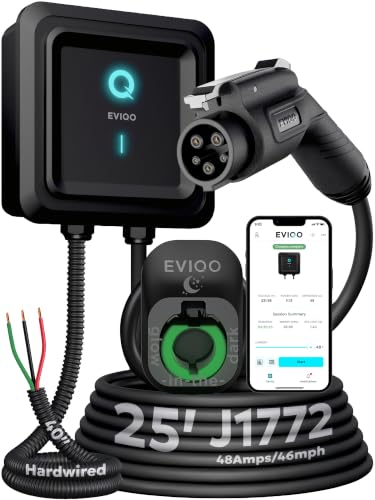
- WORKS WITH EVERY NON-TESLA EV: Standard J1772 connector plugs straight into Ford, Chevrolet, Hyundai, Kia, Nissan, BMW, Volkswagen, Audi, Rivian, Lucid and every other EV or plug-in hybrid sold with a J1772 port - no adapter needed. Tesla drivers can charge too, using the J1772 adapter that comes with the car. The extra-long 25 ft cable easily reaches across a garage or driveway.
- HARDWIRED - PROFESSIONAL INSTALL: This Level 2 charger is hardwired (not plug-in), so a licensed electrician installs it per National Electrical Code. It delivers up to 48A on a dedicated 60A, 240V circuit - enough to charge most EVs fully overnight. Want more speed? You can set DIP switches 4 and 5 to unlock 50A on a dedicated 70A circuit. Before ordering, check your car's port type and that your electrical panel can support the circuit.
- CONTROL FROM YOUR PHONE: A stronger built-in antenna keeps the charger online even in a garage or basement. Use the free app to start and stop charging, set the charging speed (6-48A), get reminders, and track how much energy and money each charge uses. Requires a 2.4 GHz home WiFi network.
- SAFETY-CERTIFIED & WEATHERPROOF: Independently tested and certified (UL, ETL, FCC, Energy Star). A fully sealed IP66 / NEMA 4 housing stands up to rain, snow, heat and dust indoors or out, and internal steel shielding protects the electronics for years of reliable use.
- GLOW-IN-THE-DARK HOLSTER: The included high-visibility holster glows in the dark so you can find and dock the plug easily at night. Holds the connector securely when not in use.

- Fast & Adjustable Charging: Up to 9.6 kW (37 mph), 7x faster than Level 1, with 5 current levels (16/20/24/32/40A) to match home capacity, plus 1–12H timing delay for off-peak charging, reducing costs and easing range anxiety
- Plug & Extended Reach: NEMA 14-50 plug fits 240V outlets for true plug-and-play use, while the 25FT cable offers flexible reach across garages and driveways, eliminating the need to reposition vehicles for easier daily charging
- ETL Certified & ELEGRP PBE Protection: Fully ETL certified, ELEGRP’s exclusive PBE technology combines full-link overheat protection with a triple-layer safety system, ensuring safer, more efficient charging. Includes a 2-year warranty
- All-Weather Indoor & Outdoor Use: IP67-rated for durability in rain, snow, and extreme temps (-21°F to 121°F), with a portable design that supports home, travel, and outdoor charging, delivering reliable performance anywhere
- Universal Compatibility: Works seamlessly with Mercedes, Chevy, Ford, Mustang Mach-E, Cadillac, Hyundai Ioniq, Kia EV6/EV9, Nissan Leaf, Chevy Bolt, Chrysler Pacifica Hybrid, and all PHEV/BEV. Tesla compatible with NACS adapter (sold separately)

- WORKS WITH EVERY NON-TESLA EV: Standard J1772 connector plugs straight into Ford, Chevrolet, Hyundai, Kia, Nissan, BMW, Volkswagen, Audi, Rivian, Lucid and every other EV or plug-in hybrid sold with a J1772 port - no adapter needed. Tesla drivers can charge too, using the J1772 adapter that comes with the car.
- PLUG IN, NO HARDWIRING: Level 2 charger delivers up to 40A to fully charge most EVs overnight. Plugs into a 240V, 4-prong NEMA 14-50 outlet (the RV/range type - NOT a dryer outlet) on a dedicated 50A circuit. The extra-long 25 ft cable easily reaches across a garage or driveway. Before ordering, check your car's port type and that you have the right outlet.
- CONTROL & SAVE FROM YOUR PHONE: A stronger built-in antenna keeps the charger online even in a garage or basement. Use the free app to start/stop charging, set speed (6-40A), get reminders, and track energy use and cost. Schedule off-peak overnight charging to cut your electric bill. Requires 2.4 GHz WiFi.
- SAFETY-CERTIFIED & WEATHERPROOF: Independently tested and certified (UL, ETL, FCC, Energy Star). A fully sealed IP66 / NEMA 4 housing stands up to rain, snow, heat and dust indoors or out, and internal steel shielding protects the electronics for years of reliable use.
- GLOW-IN-THE-DARK HOLSTER: The included high-visibility holster glows in the dark so you can find and dock the plug easily at night. Holds the connector securely when not in use.

- Charge with Confidence: ChargePoint builds reliable, flexible EV charging stations for home, business, and fleets. Get 24/7 support and access to hundreds of thousands of North American charging locations
- Charge Smart: With the user-friendly ChargePoint Mobile App, you can control your electric car charger, manage reminders, connect to smart home devices, find stations, get data and charging info, and access the latest features
- Vast Network: Wherever you go, ChargePoint’s network includes 274k+ stations across North America and Europe and 565k+ roaming partner stations
- Safe & Durable: Rely on this UL-certified EV charger for safe home charging. It can be installed indoors or outdoors by an electrician and includes a cold-resistant cable
- Fast & Powerful: This EV charger charges 9× faster than a 120V outlet, delivering up to 45 mi/hr., dependent upon your vehicle. It features a J1772 connector for all non-Tesla EVs and plugs into a 240V outlet with a 14-50 receptacle, requiring a 40A or 50A circuit. For Tesla EVs, this will require an adapter
SEOCONTENT-START
Warranty Status: Eligible under provisions of New Vehicle Limited Warranty (NVLW)/Service Part Warranty (SPW)/Special Service Part (SSP)/Extended Service Plan (ESP) coverage. Limits/policies/prior approvals are not altered by a TSB. NVLW/SPW/SSP/ESP coverage limits are determined by the identified causal part and verified using the OASIS part coverage tool. For repairs covered by the NVLW, completion of the procedure outlined in this TSB does not require obtaining Prior Approval or completion of a Cost Cap. Labor Times Description Operation No. Time 2012-2016 Focus Electric: Perform Coolant Leak Inspection Procedure, Fails – Replace Upper And Lower High Voltage Batteries (Do Not Use With Any Other Labor Outside This Article) DR202140A 4.1 Hrs. 2012-2016 Focus Electric: Perform Coolant Leak Inspection Procedure, Pass – Remove Lower Battery, Inspect Connectors On Lower Battery, Pass All Tests, Perform Corrosion Protection Procedure (Do Not Use With Any Other Labor Outside This Article) DR202140B 1.7 Hrs. 2012-2016 Focus Electric: Perform Coolant Leak Inspection Procedure, Pass – Remove Lower Battery, Inspect Connector On Lower Battery, Fails Connector Tests, Replace Upper And Lower High Voltage Batteries (Do Not Use With Any Other Labor Outside This Article) DR202140C 4.2 Hrs. 2012-2016 Focus Electric: Extra Time To Install High Voltage Lower Battery Connector Shield (Can Be Use With A, B, Or C) DR202140D 0.2 Hrs. Repair/Claim Coding Causal Part: 10B759 Condition Code: X2
**************************************************************************************************************
SEOCONTENT-END
This product presentation was made with AAWP plugin.