
Gas Engine Oil or Coolant Leak at the Turbocharger
V 1.0
June 2018
G0000185
| General Service Bulletin (GSB): | Gasoline Engine oil and coolant leaks at the turbocharger |
| GSB Overview: | This bulletin provides information on diagnosing gasoline engine oil and coolant leaks at the turbocharger |
| NOTE: This information is not intended to replace or supersede any warranty, parts and service policy, Work Shop Manual (WSM) procedures or technical training or wiring diagram information. | |
BEFORE REPLACING GASOLINE ENGINE TURBOCHARGERS FOR OIL OR COOLANT LEAKS
This GSB includes information on the following topics:
- Diagnosing oil leaks where oil is observed on the external surfaces of the turbocharger.
- Diagnosing coolant leaks where coolant is observed on the external surfaces of the turbocharger.
- Acceptable locations for oil or coolant on the internal surfaces of the turbocharger.
Please reference the following sections within the Workshop Manual for complete information on oil and coolant leak diagnostics; (sections 303-03 and 303-04 are engine specific)
- 303-00 Engine System / General Information / Diagnosis and Testing
- 303-03 Engine Cooling / Diagnosis and Testing
- 303-04 Fuel Charging and Controls – Turbocharger / Diagnosis and Testing
These are two key notes from the Workshop Manual that pertain to this topic.
NOTE: The turbocharger oil supply tube is located on the top of the turbocharger. Many leaks from the turbocharger oil supply tube will look like they are turbocharger oil leaks, as the oil will accumulate in the v-band and drip off the bottom of the turbocharger. After replacing the turbocharger oil supply tube, clean the outside of the turbocharger, to avoid false diagnosis of a leaking turbocharger.
NOTE: It is normal for a small amount of combustion gas to pass into the crankcase. This gas is scavenged into the air intake system through the PCV system, which incorporates a crankcase vent oil separator. Some engine oil, in the form of a vapor is carried into the air intake system with the blow-by gases (this engine oil also contributes to valve seat durability). This means that oil will collect inside the air intake components and the turbocharger. This is not an indication that the turbocharger oil seal has failed. The turbocharger oil seal will generally not fail unless the bearings fail first, which will cause the turbocharger to become noisy or seize. Do not install a new turbocharger due to oil inside the turbocharger or the air intake components. If a leak is detected in the oil supply or return tubes or connections, locate and rectify the source. Do not install a new turbocharger due to an oil leak.
Overview of observed oil / coolant on external surfaces of a gasoline engine turbocharger:
- Oil and coolant may be observed on the external surfaces of turbochargers. This is NOT an indication of a faulty turbocharger.
- Staining or wet oil / coolant dripping may be present on the lower point of the turbocharger v-band.
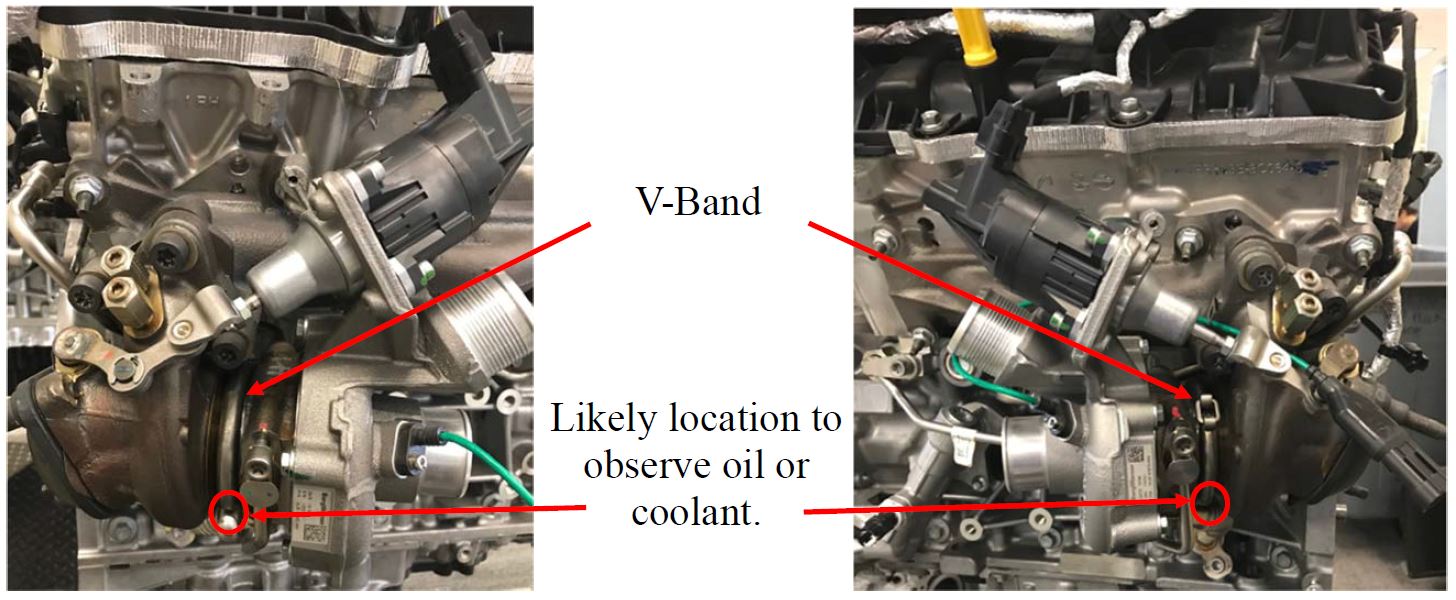
- Oil and coolant on the external surfaces of the turbocharger may come from several sources
- Turbo oil feed/drain line joints
- Turbo coolant drain/feed line joints
- Engine oil fill port drips
- Other engine sealing leaks above the turbocharger
- Any oil / coolant leaks from turbo connections / areas higher on the engine can be funneled through the vband making it look like the turbo itself is leaking. This is NOT an indication of a faulty turbocharger.
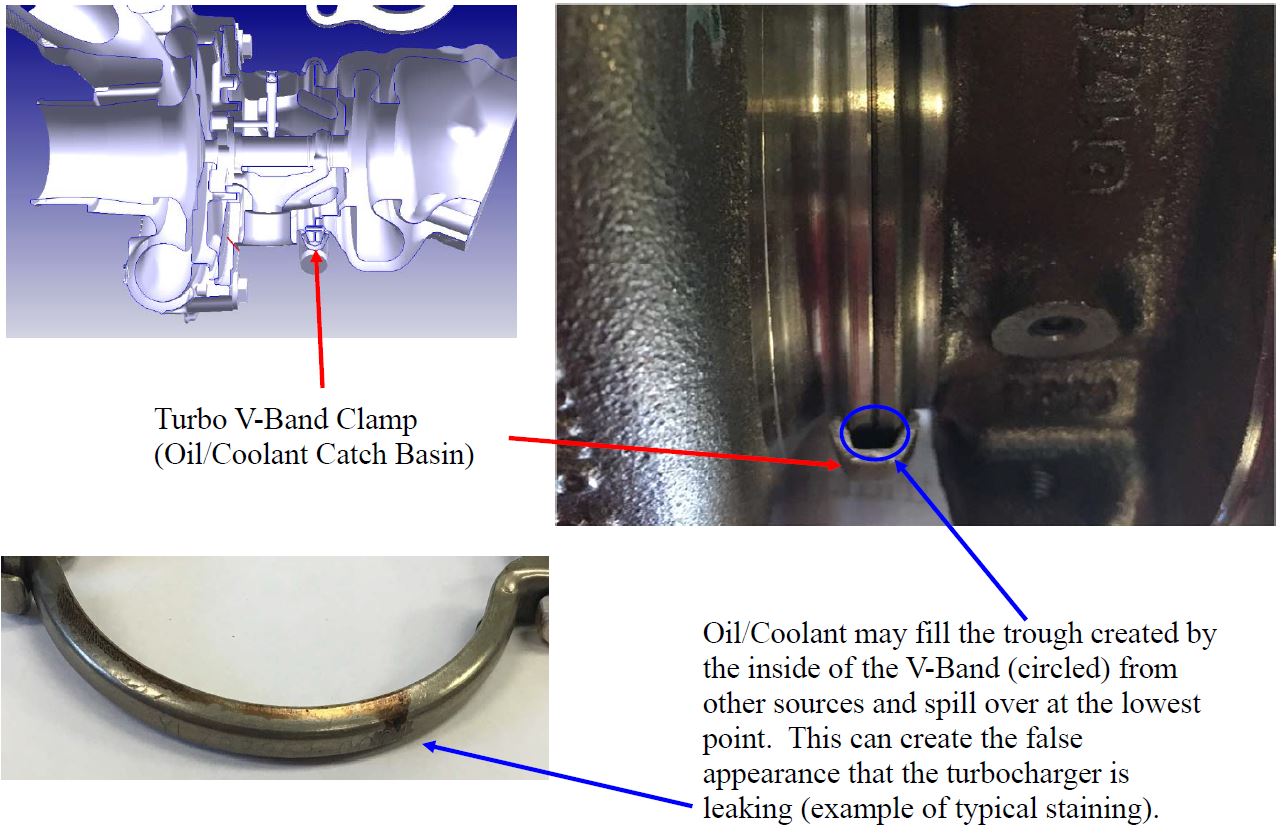
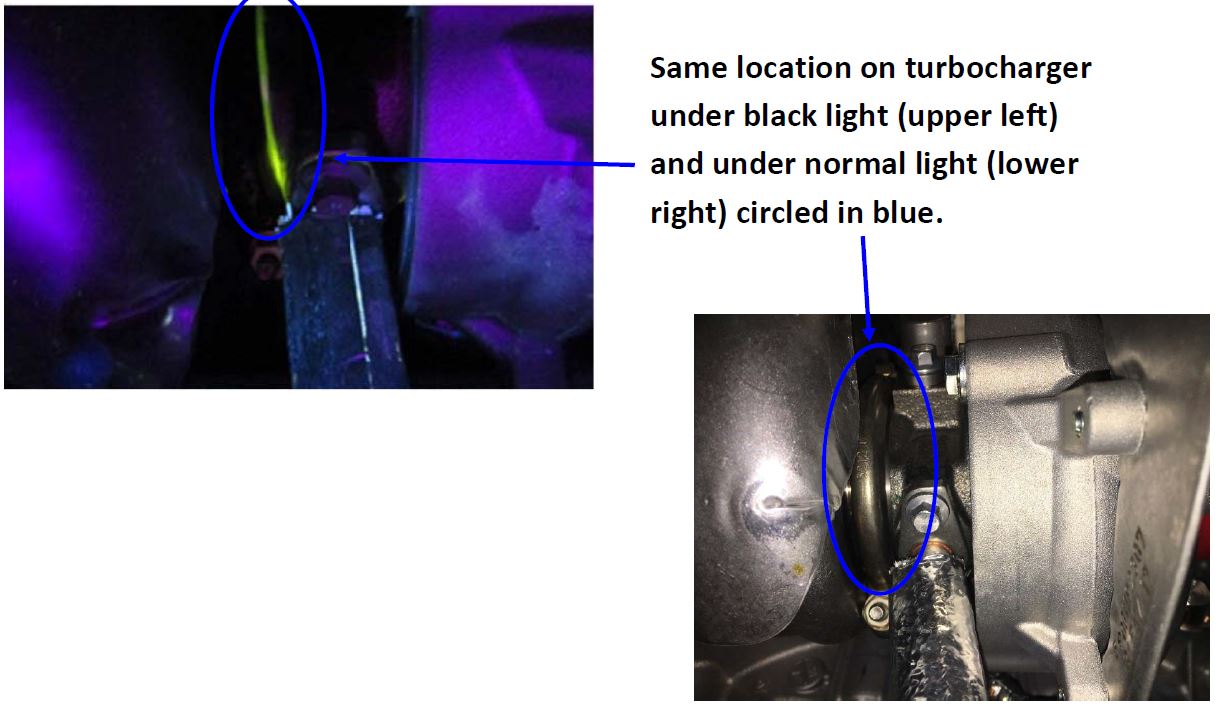
- Oil with dye in it may appear under black light on the turbocharger as a bright yellow mark. The photo below shows a typical indication of oil on the external surface of the turbocharger from an oil feed line leak. This is NOT an indication of a faulty turbocharger.
Actions:
- Do NOT replace gasoline engine turbochargers for oil or coolant leaks without first following the appropriate diagnostic procedures within the Workshop Manual.
Overview of acceptable locations for oil or coolant on the internal surfaces of a gasoline engine turbocharger:
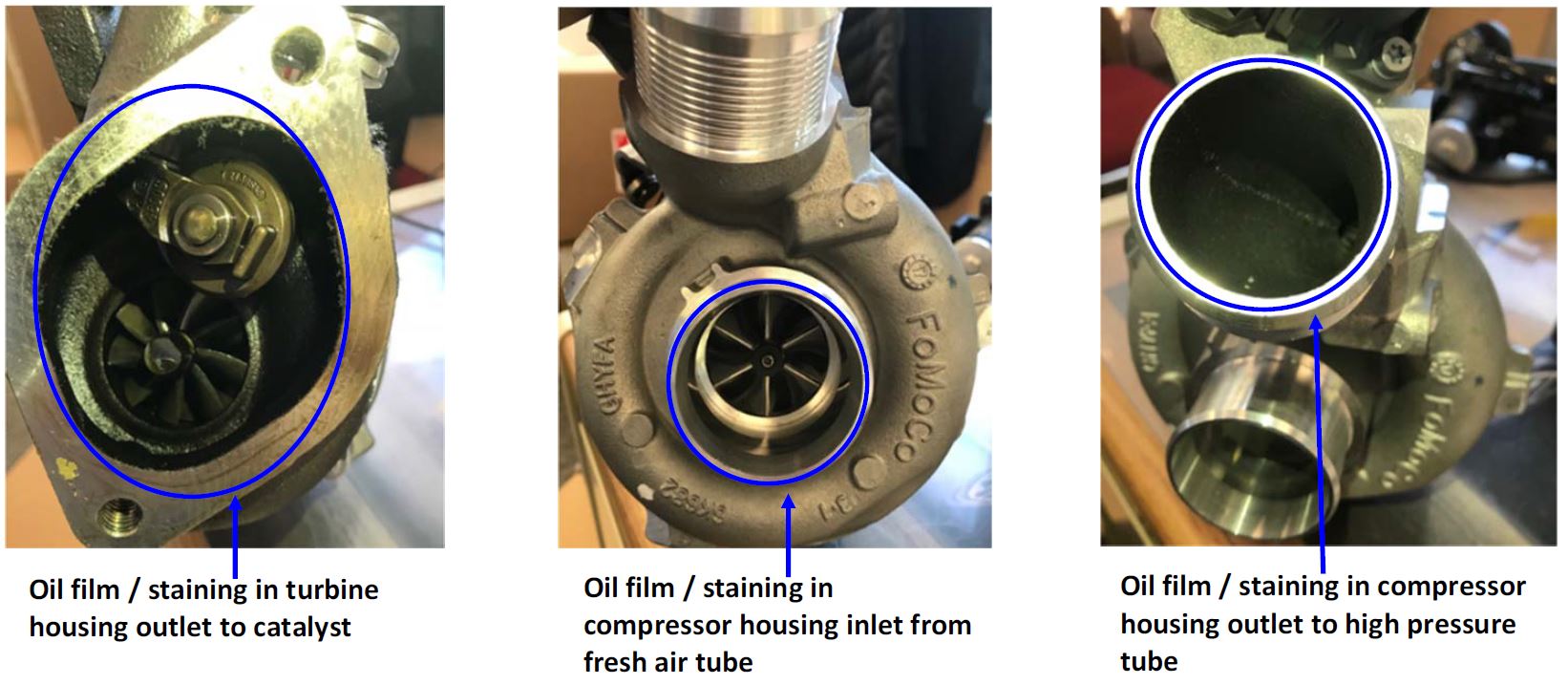
- A film of oil in the turbine or compressor housing is a normal byproduct of engine operation.
- Staining or wet oil / coolant drips may be present in the turbine outlet, compressor inlet, and compressor outlet.
- All these conditions are normal in a turbocharged engine and are NOT an indication of a faulty turbocharger.
Actions:
- Do NOT replace gasoline engine turbochargers for oil or coolant leaks without first following the appropriate diagnostic procedures within the Workshop Manual.

- Full synthetic 15W-40 diesel engine oil with Triple Protection Plus technology protects against wear, deposits, and oil breakdown
- Formulated to deliver increased protection against oxidation and enhanced deposit control/cleanliness
- Better cold cranking properties and low-temperature pumpability (compared to conventional and synthetic blend 15W-40 motor oil)
- Improved wear performance versus API CJ-4 technology
- Compatibility with exhaust emissions control systems

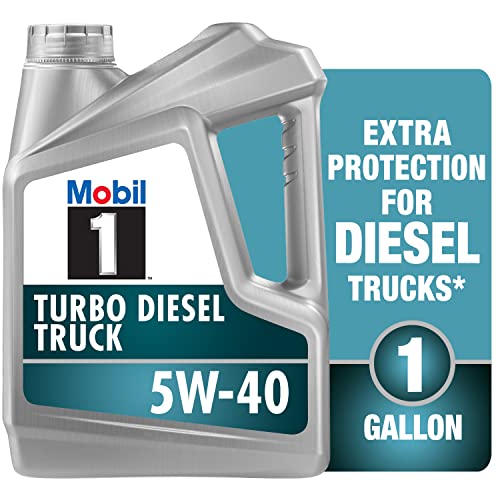
- Mobil 1 Turbo Diesel Truck Is Designed For Modern Diesel Truck Engines, Delivering Long Drain Capability, Exceptional Performance, And Potential Fuel Economy Benefits
- Meets Or Exceeds The Demanding Specifications Of Major Truck Manufacturers - One Engine Oil Can Be Used For Mixed Fleet Operations
- Recommended For Use In All Super High-Performance Diesel Applications, Including Low Emission Engines
- Helps Engines Last Longer By Reducing Low-Temperature Sludge Buildup And High-Temperature Deposits

- Synthetic blend 15W-40 diesel engine oil with Triple Protection Plus technology protects against wear, deposits, and oil breakdown
- Ideal for on-highway fleets, construction, and agricultural machinery, and diesel pickup trucks — including high-power vehicles that require resistance to heat and stress
- Triple Protection Plus technology offers better low-temperature flow, which delivers excellent equipment protection, long engine life, and maintains viscosity control under high temperatures
- Delivers good engine cleanliness and protection against piston deposits, ensuring engine and component reliability at extended oil drain intervals
- Advanced low-ash formulation helps control the blocking or poisoning of exhaust after-treatment devices, helping maintain vehicle emission compliance and engine fuel efficiency
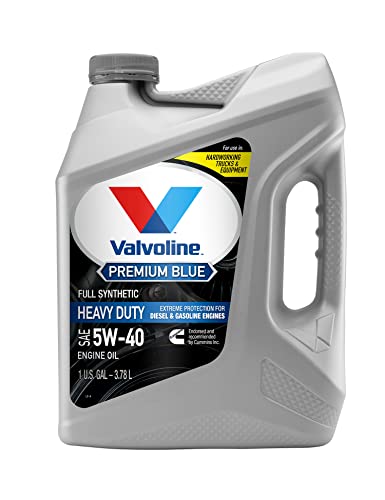
- EXCELLENT WEAR PROTECTION IN HEAVY DUTY APPLICATIONS that can take a toll on critical internal moving parts
- RESISTS OXIDATION AND FIGHTS DEPOSITS & SLUDGE with higher quality synthetic base oils and special inhibitors
- PROTECTS DURING COLD START UPS WHILE CONTROLING SOOT as heavy-duty equipment can sit idle for extended periods of time
- ADVANCED FUEL ECONOMY up to 1.5% over 15W-40 conventional oils in on-highway operations
- UNIQUE 5,000 MILES OIL DRAINS EXTENSION in Cummins X15/X12 engines when average is 7mpg or higher
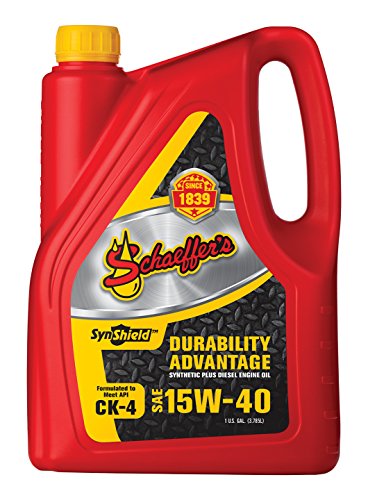
- Excellent wear protection during severe operating conditions
- Oil durability: strong oxidation and viscosity control with less oil consumption
- Better contamination control with superior soot-busting, deposit-dispersing capability
- Strong stay-in-grade performance throughout the life of the oil
- Friction modified with micron moly and penetrate
This product presentation was made with AAWP plugin.